
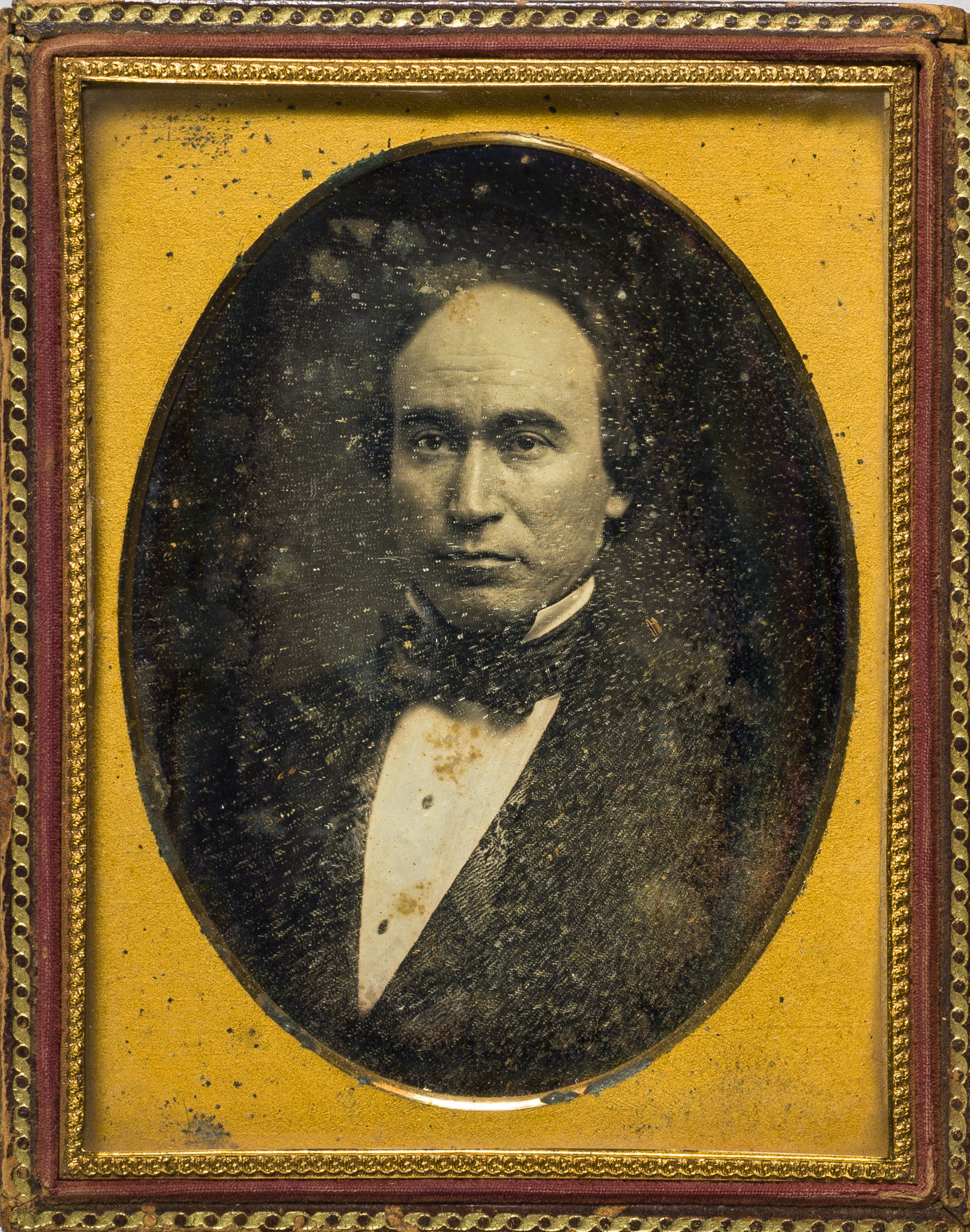
1828-1885
If the name Cardozo today means Benjamin Cardozo and if it stands for a distinguished model of judging, in the nineteenth century the name Cardozo mean Albert Cardozo, and it stood for the corrupting effect of politics on law.[1]
Albert J. Cardozo came from a distinguished Sephardic Jewish family, with origins in Portugal, that arrived in the American colonies in the 1750s by way of London. An honors graduate of Columbia, Albert Cardozo was by all accounts an able, scholarly and hardworking lawyer. Cardozo studied law under respected lawyer Archibald Hilton and was admitted to the Bar in 1849. He “worked diligently and built up a good business as a lawyer and acquired a reputation as a skillful politician.”[2]
Early in his legal career, Cardozo joined Tammany Hall and took an active role in politics. In 1863, he was nominated by Mayor Fernando Wood to the New York City Court of Common Pleas, which conducted trials and heard appeals from the city’s courts. In the election year of 1866, Cardozo attracted scrutiny for his prolific naturalization of new citizens — up to 800 in a single day.[3]
In 1867, Cardozo was nominated and elected to the Supreme Court for the First Judicial District with the support of Boss Tweed and Tammany Hall. Once on the Supreme Court, Cardozo soon gained a reputation as a brazenly political and unscrupulous jurist. He was notorious for conducting secretive business in a room at the courthouse that he specially fitted with locks from the inside. Cardozo issued decisions in favor of prominent Tammany Hall politicians and their allies, including the controversial dismissal of a fraud suit against former Mayor Fernando Wood. Cardozo also issued a series of highly questionable orders in favor of Boss Tweed’s allies, Jay Gould and Jim Fisk, in the high-profile Erie Railroad litigation, and he used his judicial authority to bestow lucrative fiduciary appointments almost exclusively on family members and close associates of Tammany Hall.[4]
In 1870, some 200 lawyers, deeply troubled by the blatant politicization and corruption of the city’s judicial system, came together to form the Association of the Bar of the City of New York (City Bar). Comprised of the leading lawyers of the day, including Samuel J. Tilden and William Evarts, the City Bar’s investigation of the Tweed Ring judges coincided with the New York Times’ editorial crusade against the Tweed regime and its publication of detailed evidence exposing flagrant corruption and theft of taxpayer money.
The City’s Bar’s investigation of Cardozo produced five charges of misbehavior, including: biased decisions and orders favoring Gould and Fisk in the 1869 Gold Conspiracy litigation where the pair sought to escape the financial consequences of their failed attempt to corner the gold market; Cardozo’s record of nepotism and political favoritism in appointing receivers and referees; and Cardozo’s participation in a scheme with the law firm of Howe & Hummel in which in return for bribes he unlawfully released from prison some 200 convicted persons.[5]
In 1872, the City Bar issued its report to the Assembly recommending the impeachment of Albert Cardozo for “mal and corrupt conduct in office, and for high crimes and misdemeanors.”[6] On May 1, 1872, the day the report was to be presented to the Assembly, Cardozo officially resigned from office as a judge.[7] Cardozo managed to avoid disbarment and was able to practice law successfully until his death in 1885.
Albert Cardozo’s judicial career presents a stark contrast with that of his famous son, Benjamin Nathan Cardozo, whose professional reputation was both stainless and peerless.
. . . the contrast in their professional careers was enormous. Politics was a major feature, and merit but a minor feature in Albert’s advancement. The opposite was the case in Benjamin’s rise to prominence. As a judge, he decided cases according to a well-considered judicial philosophy. His concept of public policy did not include personal or political favoritism. And there was never a whisper of scandal.[8]
[1] Andrew L. Kaufman, Cardozo, Harvard Univ. Press, 1998, at 9.
[2] Obituary, New York Times, Nov. 9, 1885.
[3] Robert C. Kennedy, Making an Example of Two Naughty Boys, The Learning Network, New York Times, available at www.nytimes.com/learning/general/onthisday/harp/0525.html.
[4] Andrew L. Kaufman, The First Judge Cardozo: Albert, Father of Benjamin, Journal of Law and Religion, at 289-97; Kaufman, Cardozo, at 13-15.
[5] Charges of the Bar Association of New York against George G. Barnard and Albert Cardozo and John H. McCunn, and testimony thereunder taken before the Judiciary Committee of the Assembly of the State of New York,1872.
[6] Id.
[7] Kaufman, Cardozo, at 16-18.
[8] Id. at 20.