
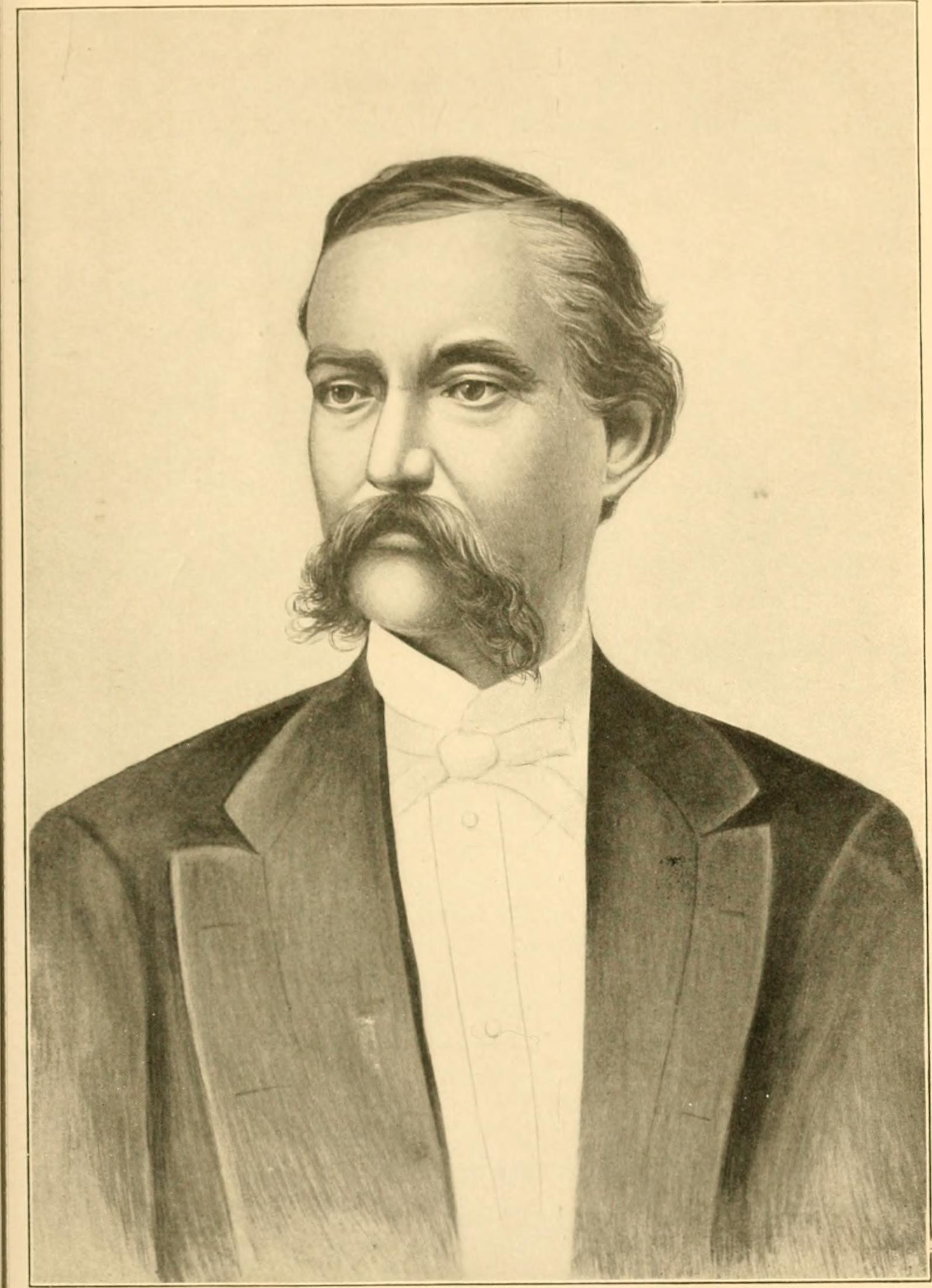
1824-1879
George G. Barnard was born in Poughkeepsie and graduated from Yale College. He studied law under his more distinguished brother, Joseph F. Barnard, who went on to serve as the Presiding Justice of the Supreme Court for the Second Judicial District. In 1848, Barnard left New York for the California Gold rush where, according to his obituary, he “practiced his profession with considerable success,”[1] though one historian later concluded that he spent eight years in California prospecting for gold, shilling for a gambling house and performing with a minstrel troupe.[2] In November 1857, Barnard was elected Recorder of New York City with the support of Tammany Hall. At the time, this was an important position with combined judicial and municipal supervisory duties, including service as a Commissioner of the City’s Police Board. In 1860, with Boss Tweed’s direct support, Barnard was elected to the Supreme Court for the First Judicial District. He was reelected to that seat in 1868.
A heavy drinker and devotee of the city’s night life, Judge Barnard was a controversial figure who “showed great favor to certain lawyers with whom he was on intimate terms, and [who] was at great pains to snub and disconcert others to whom he had conceived a dislike.”[3] “In his courtroom, he made a mockery of decorum and justice. Judge Barnard sat with his feet on the bench, whittled pine sticks, drank from a brandy bottle, and cracked bawdy jokes, while ruling invariably in favor of Tammany Hall interests. One of his first acts as a Supreme Court judge was to certify Boss Tweed, who had no legal training, as a lawyer.”[4]
In March 1872, an investigation by the newly formed Association of the Bar of the City of New York (City Bar) led to Barnard’s impeachment by the New York State Assembly. Later that year, he was removed from office after being tried and unanimously convicted by the >New York Court for the Trial of Impeachments (consisting of the Judges of the New York Court of Appeals and the members of the New York State Senate). Barnard and his fellow Tweed judge, John H. McCunn, were two of only four individuals ever tried before that tribunal. Judge Barnard was convicted of 26 charges, including making biased decisions in favor of Boss Tweed’s allies, Jay Gould and James Fisk, Jr., as they sought to wrest control of the Erie Railroad from Cornelius Vanderbilt.
Barnard’s lengthy New York Times obituary chronicled the “many discreditable things” he did as a judge, but it also acknowledged his role in the “final overthrow of the notorious ‘Tweed Ring’” when he unexpectedly turned on his former patron and issued an injunction that barred the city’s leaders from spending or borrowing funds.[5] Unable to pay the city’s workforce, Tweed and his cronies could not resist the overwhelming pressure to resign. At Barnard’s death in 1879, more than a million dollars in cash and bonds were found in his possession.[6]
[1] Ex-Judge Barnard Dead: Peaceful Ending of a Troubled Career, New York Times, April 28, 1879
[2] Robert C. Kennedy, Making an Example of Two Naughty Boys, The Learning Network, New York Times, available at www.nytimes.com/learning/general/onthisday/harp/0525.html
[3] New York Times, April 28, 1879.
[4] Kennedy, supra.
[5] New York Times, April 28, 1879.
[6] James Larder and Thomas Reppetto, NYPD: A City and its Police, Henry Holt & Co., 2000, at 96-97.