
Interviewed: 07/31/2024 by David L. Goodwin
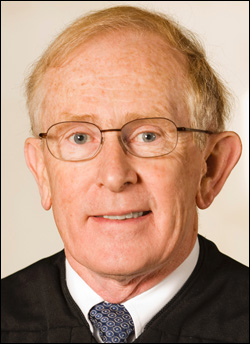
Justice Edward O. Spain was designated a Justice of the Third Department effective December 30, 1994. He began his legal career in private practice in 1966 with his father in Troy. In 1967, he served as an Assistant District Attorney for Rensselaer County until he was called to active duty in the United States Navy, Judge Advocate General corps; he was honorably discharged in 1972 with the rank of lieutenant. Justice Spain returned to private practice and served as Deputy Corporation Counsel for the City of Troy for two years. In 1977, Justice Spain served as Deputy Clerk of Rensselaer County Surrogate’s Court and was elected to Troy Police Court, where he served until he was elected to the Rensselaer County Family Court in 1985. He was elected to the Supreme Court in 1991 and, in January 1994, he was appointed Administrative Judge for the Third Judicial District. He was re-elected to the Supreme Court in 2005. Justice Spain is a graduate of LaSalle Institute in Troy, Boston College and Albany Law School.
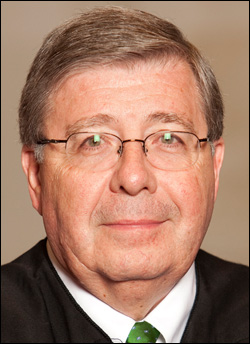
Justice Thomas E. Mercure graduated from Saint Michael’s College in 1965 and Georgetown University Law Center in 1968. A resident of Hudson Falls, in 1973 he joined the staff of the Washington County District Attorney in 1973 where, from 1974 to 1977, he served as First Assistant District Attorney. Justice Mercure served as Washington County District Attorney from 1977 until 1981 and as a Washington County Judge in 1981. He also was engaged in the private practice of law from 1969 until 1981. Justice Mercure was elected to the Supreme Court in 1981 and was reelected in 1995 and in 2009. He was named a Justice of the Third Department, effective January 1, 1988.
Justice Mercure served as Acting Presiding Justice of the Third Department from 2011 to 2012. He served on the Pattern Jury Instructions Committee from 1991 through 2006, served on the State Ethics Commission of the Unified Court System from 1989 until 2003, and as its chair from 1996 until 2003. He was a member of the Advisory Committee on Judicial Ethics and Federal-State Judicial Council for many years from 2003. He temporarily sat on the Court of Appeals in 1994 and 2011 by designation.
Justice Mercure resigned from the Appellate Division in 2013 but remained on the Supreme Court trial bench and served as Administrative Judge of the Third Judicial District. He retired from the bench at the end of 2013. Justice Mercure has the distinction of longest service as a Justice of the Appellate Division, Third Department. Justice Mercure is of counsel to an Albany law firm.
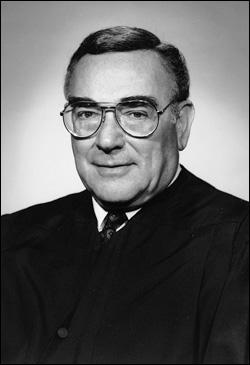
Presiding Justice Leonard A. Weiss was born in Rochester, Pennsylvania, and grew up in Buffalo. His undergraduate education at the University of Buffalo was interrupted by Army service during World War II. After the war, Presiding Justice Weiss entered Albany Law School and graduated in 1948; he was admitted to practice that same year. From 1948 to 1978, he engaged in the general practice of law in Albany. In 1977, he was appointed a part-time Albany City Court Justice and was later elected to a full term on the City Court. In 1978, Presiding Justice Weiss was elected to the Supreme Court for the Third Judicial District (and re-elected in 1992). He was appointed to the Appellate Division in 1981 by Gov. Carey and designated Presiding Justice at the beginning of 1992 by Gov. Cuomo. He served in the latter position until the end of 1993, when he had to resign the post because he had reached the mandatory retirement age of 70. He then continued on the Appellate Division as a certificated justice. In 1994, he retired from the Court. He then entered the private practice of law with the Albany firm of McNamee, Lochner, Titus & Williams.
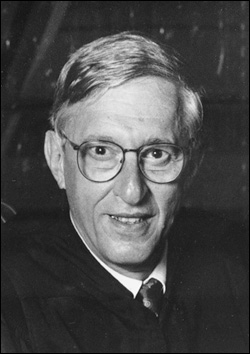
Judge Howard A. Levine was born in Troy on March 4, 1932. He graduated from Yale Law School in 1956, the same year he was admitted to the New York State Bar. He was elected in 1970 to Schenectady County Family Court, a position he held until 1980. That year, he was elected a Supreme Court Justice for the Fourth Judicial District. Effective at the beginning of 1982, he was designated to the Appellate Division, Third Department. On August 13, 1993, Gov. Cuomo appointed him to the Court of Appeals. He became the 200th jurist to sit on the Court of Appeals since it was founded in 1846. He retired at the end of 2002 and joined an Albany law firm.
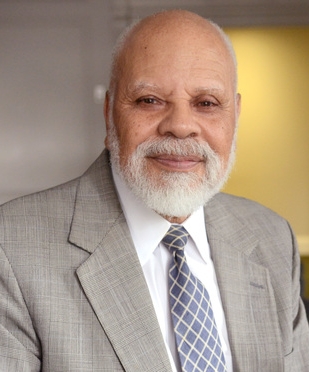
Lawyer Kenneth G. Standard is a prominent lawyer and diversity activist. As a child, civil rights activism was an important part of his family life; his elder sister worked for the national office of the NAACP, and from a young age he heard about and met NAACP lawyers like Thurgood Marshall and Charles Hamilton Houston. Standard graduated from Harvard University with his A.B. degree, and went on to receive his LL.B. degree from Harvard School of Law in 1962.
In 1967, Standard was hired as an attorney with the Bristol-Myers pharmaceutical company. In 1968, he was promoted to counsel of the products division; by 1970, he had been promoted again to become the division’s vice president. Standard continued his legal education, receiving his LL.M. degree from New York University’s School of Law in 1971. In 1988, he began working at the Consolidated Edison Company (Con Ed) as the assistant general counsel for labor relations. In 1999, Standard joined the law firm Morgan, Lewis & Bockius, where he served as special counsel. From 2004 to 2005, he served as president of the New York State Bar Association, and focused on increasing diversity within the legal field. In 2004, Standard joined the law firm of Epstein, Becker & Green as a member in its National Labor & Employment Practice. During this time, he also developed and chaired the firm’s nationwide diversity committee.
In 2006, the New York State Bar Association created the Kenneth G. Standard Internship program in his honor, which is specifically designed to support law students from a diverse range of backgrounds. In 2011, Standard received the American Bar Association’s Alexander Award for Lifetime Achievement in Pipeline Diversity; and, in 2013, he was elected fellow by the College of Labor and Employment Lawyers.
Standard and his late wife, Valerie Ann Salmon, have a daughter, Alison, and two sons, Devin and Trevor.
Courtesy of The HistoryMakers
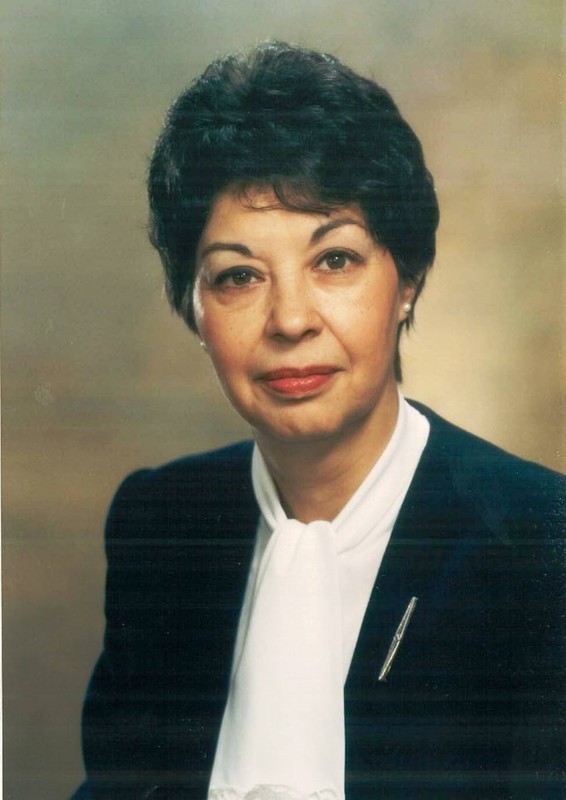
Biography coming soon!
Courtesy of the American Bar Association’s Women Trailblazers Project.
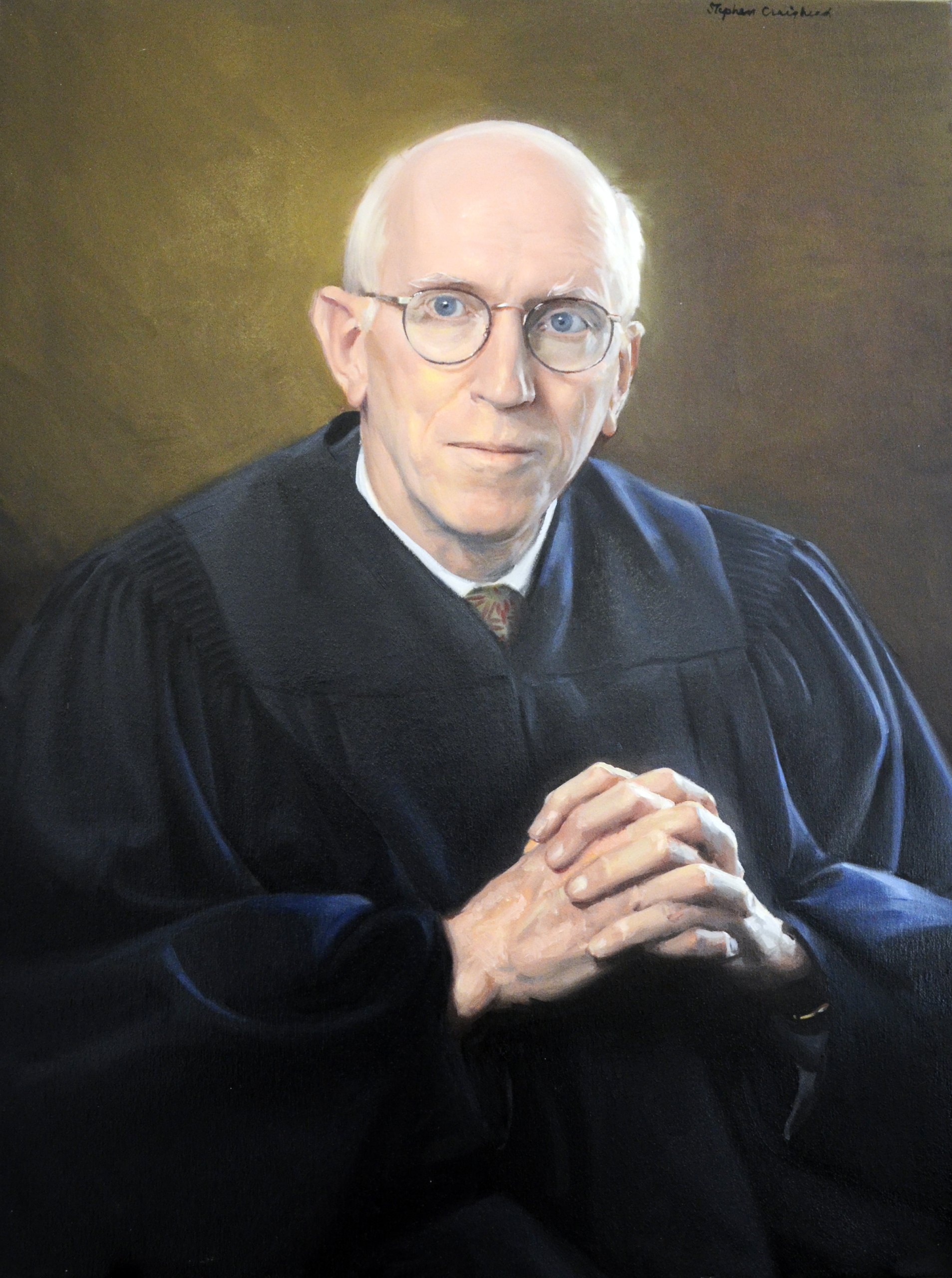
Robert Smith’s nomination to the New York State Court of Appeals in November 2003 came as a shock to many court observers, who quickly dubbed him “the stealth candidate.”1 Without any political background, Smith would also become the first non-judge in 20 years to rise directly to New York State’s highest court. When asked to reveal the secret to his own success, he is, characteristically, succinct: “I worked hard and did a good job for my client.”2 This explanation, however, is… CONTINUE READING
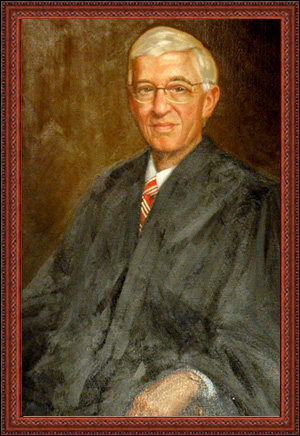
An independent thinker, a common sense approach and a devoted family man – these descriptions show three of the most important qualities Judge Levine brought to all of his legal endeavors in the public service, including his tenure on the Court of Appeals. His early experiences as a prosecutor and family court judge – perhaps two of the most influential experiences in a lengthy and distinguished career – clearly served to shape and define his work as an appellate judge… CONTINUE READING